
GitBar Podcast: Non toccate quel tag!
I joined Mauro "Brainrepo" Murru on the GitBar podcast to chat about web performance, Core Web Vitals, image optimization, and the silent damage of Google Tag Manager.
Read article7 articles
I joined Mauro "Brainrepo" Murru on the GitBar podcast to chat about web performance, Core Web Vitals, image optimization, and the silent damage of Google Tag Manager.
Read article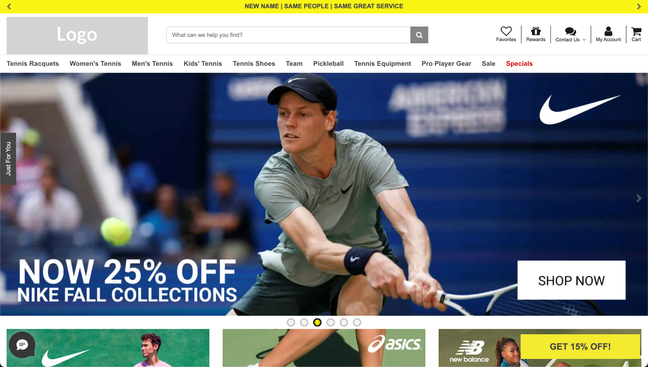
Exploring a practical solution for mitigating Cumulative Layout Shift (CLS) caused by promotional banners. Prevent unexpected layout shifts by using sessionStorage to remember the banner's content and display state across page loads.
Read article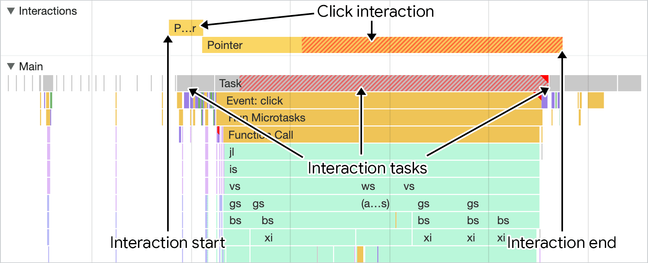
After keeping them on my computer for some days, I decided to publish on GitHub this set of web performance snippets to debug INP in Chrome developer tools, or to report data to your analytics.
Read article
As a web performance consultant, I'm always on the lookout for new developments that impact the user experience of websites. One such upcoming change is the introduction of a new metric called Interaction to Next Paint (INP) by Google. Set to become a Core Web Vital in March 2024, INP is designed to measure the time it takes for a website to respond to user interactions. In this blog post, we will delve into what INP is, why it matters, and how companies can prepare themselves to ensure their websites meet this crucial web performance metric.
Read article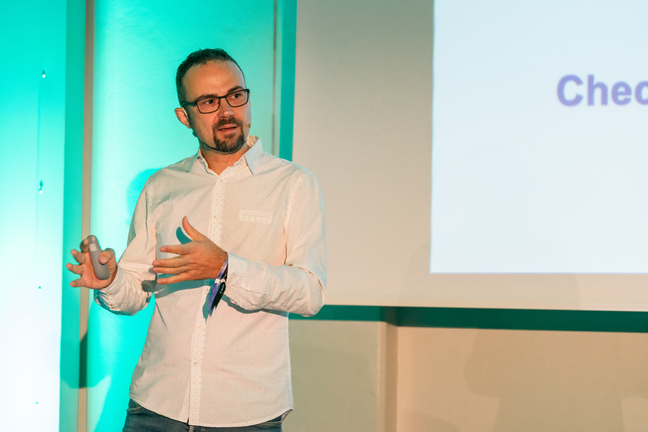
In 2023 I've been speaking about web performance at conferences, Google Developer Groups (GDG) and local meetups all over Europe. The title of this talk is "How and Why ($) to improve web performance, practical tips for 2023".
Read article
To avoid layout shifting and optimize for the Cumulative Layout Shift (CLS) Web Vital in you web pages, you need to reserve space for any content that might be rendered later in time. This is the case for images, videos and any asynchonously loaded content (e.g with AJAX calls). Here's a new way to do it.
Read article
Cumulative Layout Shift (CLS) is an important, user-centric metric for measuring visual stability because it helps quantify how often users experience unexpected layout shifts — a low CLS helps ensure that the page is delightful.
Read article